

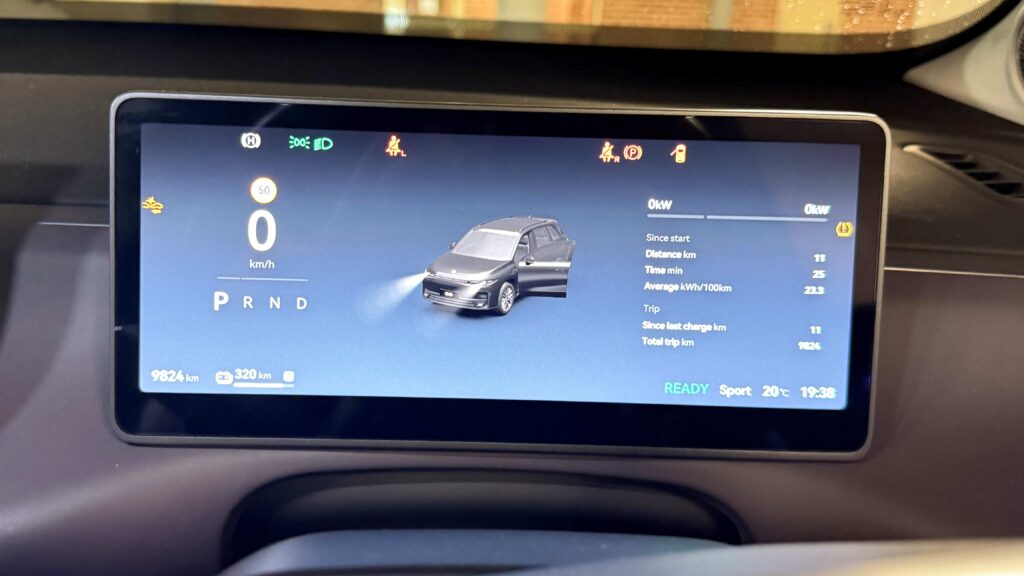
Technological advancements in vehicle design have brought about innovations such as large touchscreen interfaces. However, a recent article in The Conversation titled “Yes, those big touchscreens in cars are dangerous and buttons are coming back” suggests that this trend may be reversing. The piece highlights a growing awareness that tech adoption in cars often outpaces our ability to use it safely.
The Link Between Engineering and Psychology
To explore this issue in depth, we’re revisiting an interview recorded four years ago with Emeritus Professor Mike Regan, a longtime expert in human factors and transport safety. Regan emphasizes the critical importance of linking engineering practices with psychological understanding. According to him, it is essential that transport systems be built with human cognitive and physical limitations in mind.
Human factors engineering involves studying how humans interact with machines and environments, particularly in transportation. Regan has spent his career advocating for design strategies that consider attention span, reaction time, and other psychological factors to improve safety and usability on the road.
Driver Distraction: A Long-Predicted Issue
Perhaps most compelling in Regan’s interview are his reflections on the predictions made nearly 30 years ago regarding driver distraction. He points out that many of the concerns we are now widely discussing were identified decades ago by researchers in the field. The current backlash against touchscreen controls in vehicles serves as validation for those early warnings.
This conversation is a timely reminder that many of today’s so-called “new” debates have long histories. The public is only now beginning to fully grapple with the implications of choices made in car design and technology years ago.